
Products and services


When going to my hospital work, I pass a well-kept peaceful and quite large grass area surrounded by a fence. A memory stone declares that this is a mass grave of cholera victims from the 1850s. As a researcher in fluid balance, I sometimes think about how little doctors knew about this topic 175 years […]
Read More
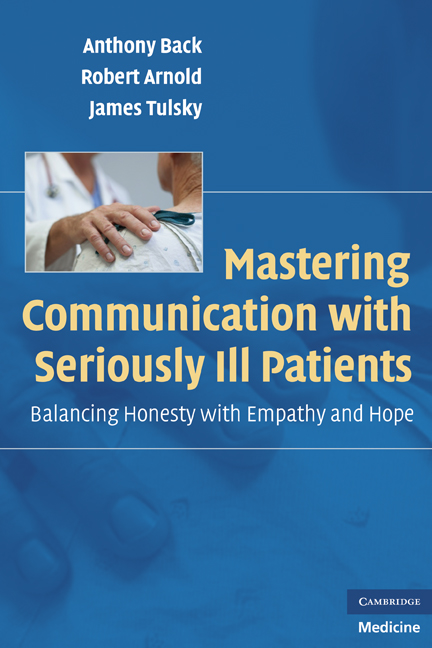
Navigating Communication with Seriously Ill Patients, Balancing Honesty with Empathy and Hope – The VitalTalk Method is a book written for all clinicians who want to communicate better with seriously ill patients and their family members.
Read More
Most people have some dissatisfaction or concern about body weight, fatness, or obesity, either personally or professionally. I wrote ’Understanding Obesity’ out of a dissatisfaction with the dominant lines of investigation into this phenomenon, and the discourses that drive them. Sure, huge scientific progress has been made in understanding the physiology of eating and body […]
Read More
As I wrote my book Improving University Mental Health, the commonest question people asked was ‘who is the intended audience?’ If you are reading these words, then the answer is ‘you are!’ Did you go to university? What was your experience of emerging into adult life? What can we do better? Readers seeking simple answers will be […]
Read More
Psychopathology is fascinating. It is the science and study of psychological and psychiatric symptoms. A clear understanding of clinical psychopathology lies at the heart of effective delivery of psychiatric care. Psychopathology is essential. For many years, the central textbook in this field was a 128-page volume written in 1967 by Frank Fish, titled Clinical Psychopathology: […]
Read More
Most people are familiar with the idea that there is an interaction between physical and mental health. Living with severe chronic illness or disability can have very marked psychological impact, and experience from the recent pandemic has shown how acute severe illness and its personal and social consequences can affect mental health. Other obvious examples […]
Read More
As clinicians involved in training and supervision, we have observed in others and ourselves how starting psychotherapy with a patient is often anxiety-provoking for both parties. This experience may leave new therapists in particular feeling de-skilled. Learning a new style of working can add to a feeling of being at sea. It is perfectly understandable […]
Read More
This book, based on the author’s 25 years of practising and teaching the specialty of clinical neurophysiology, is aimed at two groups of clinicians. First and foremost, at new trainees in clinical neurophysiology. It is an exciting time for them. They are about to learn a completely new diagnostic approach which benefits from all the […]
Read MoreKeep up with the latest from Cambridge University Press on our social media accounts.