I am now sitting in front of my laptop and staring at a text on the screen. In other words, I have a perception of it. My perception is from a particular perspective. However, I can easily switch from one perspective to another. Thus, at one moment, I am zooming in on single words and […]
Read MoreThe epistle of 2 Peter is not merely a polemic against false teachers; it is founded upon a compelling theological vision of life with God. In my commentary on 2 Peter, I argue that the letter’s ethical foundation lies in the concept articulated in 1:3-4: that believers “become sharers of the divine nature.” This principle, […]
Read MoreOne of the outcomes of my examination of 2 Peter is challenging the widely held scholarly designation of this letter as a “testament.” This genre classification has been profoundly influential, particularly following the work of Richard Bauckham, which often leads to the conclusion that 2 Peter is a “transparent fiction”—a pseudonymous work whose lack of […]
Read MoreLet me describe the activities of an organization leading advocacy for liberal democracy in Zambia in recent years. When politicians spoke of changing the country’s constitution to end presidential term limits, it organized a civil society coalition to protest. When the police threw the opposition leader in jail for four months on charges of treason, […]
Read MoreOur current understanding of philosophy is a relatively recent invention. It took shape in late eighteenth-century Germany, when a small group of scholars redefined what philosophy was and how its history should be told. In his “What Counted as Philosophy in the Italian Renaissance?” (2013), Christopher Celenza mentions Johann Brucker, who, in his Historia Critica […]
Read MoreHow do scientists interpret the results of an experiment? How do they draw conclusions from experiments? In January of 1939, the young Alan Hodgkin decided to break in some new lab equipment and he had a simple question in mind. He accepted the then-standard view—based on Julius Bernstein’s membrane hypotheses—that when an axon is depolarized, […]
Read MoreIt is a commonplace too often taken for granted that the Enlightenment––in particular Kant’s grounding of morality in reason––was a failure. For some, the Enlightenment’s attempt to clear away all superstition left only an empty subjectivism and materialism culminating in atomistic nihilism. For others, the Enlightenment was just one more mask in the European will […]
Read MoreI have been writing about Cuban music and popular culture for some time, as an outsider. It is a fraught position: being based in the United States, strongly attracted to Cuban heritage, trying to undertake rigorous research and pursue sensitive topics while frequently being perceived as someone who may have an ax to grind as […]

Read MoreI am now sitting in front of my laptop and staring at a text on the screen. In other words, I have a perception of it. My perception is from a particular perspective. However, I can easily switch from one perspective to another. Thus, at one moment, I am zooming in on single words and […]
Read MoreThe epistle of 2 Peter is not merely a polemic against false teachers; it is founded upon a compelling theological vision of life with God. In my commentary on 2 Peter, I argue that the letter’s ethical foundation lies in the concept articulated in 1:3-4: that believers “become sharers of the divine nature.” This principle, […]
Read MoreOne of the outcomes of my examination of 2 Peter is challenging the widely held scholarly designation of this letter as a “testament.” This genre classification has been profoundly influential, particularly following the work of Richard Bauckham, which often leads to the conclusion that 2 Peter is a “transparent fiction”—a pseudonymous work whose lack of […]
Read MoreLet me describe the activities of an organization leading advocacy for liberal democracy in Zambia in recent years. When politicians spoke of changing the country’s constitution to end presidential term limits, it organized a civil society coalition to protest. When the police threw the opposition leader in jail for four months on charges of treason, […]
Read MoreOur current understanding of philosophy is a relatively recent invention. It took shape in late eighteenth-century Germany, when a small group of scholars redefined what philosophy was and how its history should be told. In his “What Counted as Philosophy in the Italian Renaissance?” (2013), Christopher Celenza mentions Johann Brucker, who, in his Historia Critica […]
Read MoreHow do scientists interpret the results of an experiment? How do they draw conclusions from experiments? In January of 1939, the young Alan Hodgkin decided to break in some new lab equipment and he had a simple question in mind. He accepted the then-standard view—based on Julius Bernstein’s membrane hypotheses—that when an axon is depolarized, […]
Read MoreIt is a commonplace too often taken for granted that the Enlightenment––in particular Kant’s grounding of morality in reason––was a failure. For some, the Enlightenment’s attempt to clear away all superstition left only an empty subjectivism and materialism culminating in atomistic nihilism. For others, the Enlightenment was just one more mask in the European will […]
Read MoreI have been writing about Cuban music and popular culture for some time, as an outsider. It is a fraught position: being based in the United States, strongly attracted to Cuban heritage, trying to undertake rigorous research and pursue sensitive topics while frequently being perceived as someone who may have an ax to grind as […]
Read MoreKeep up with the latest from Cambridge University Press on our social media accounts.
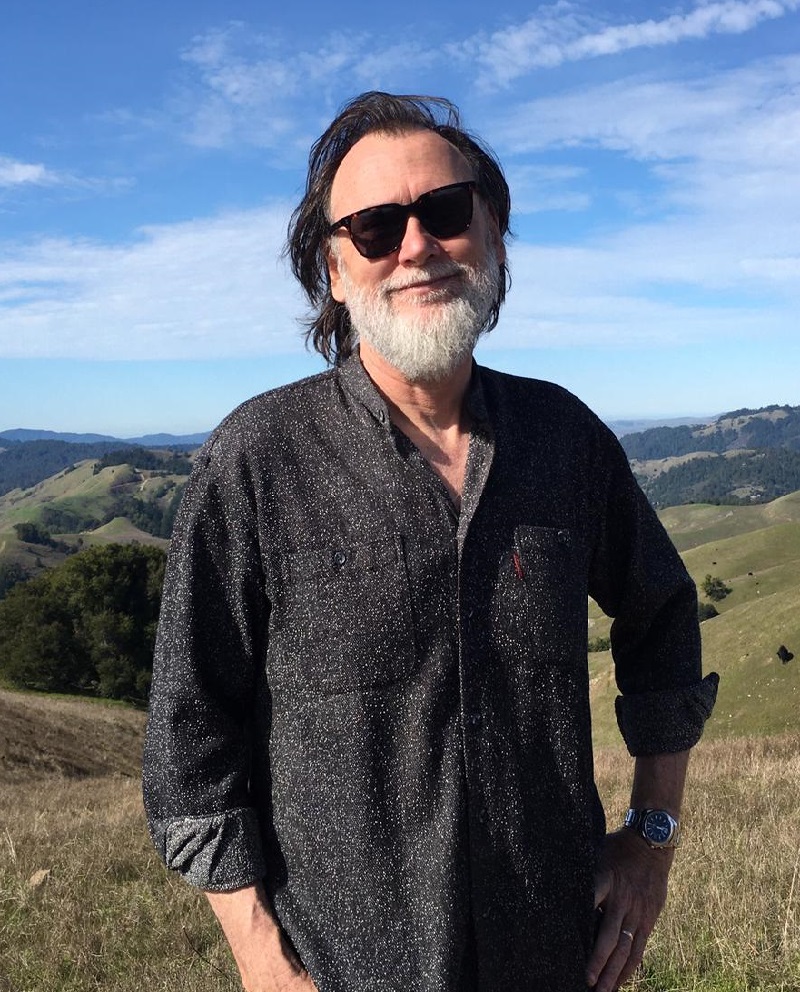
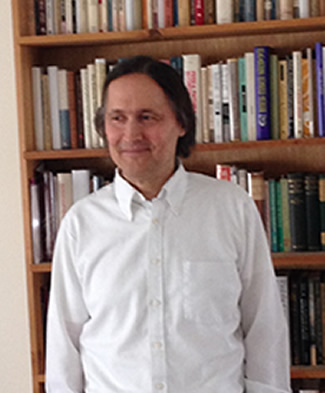
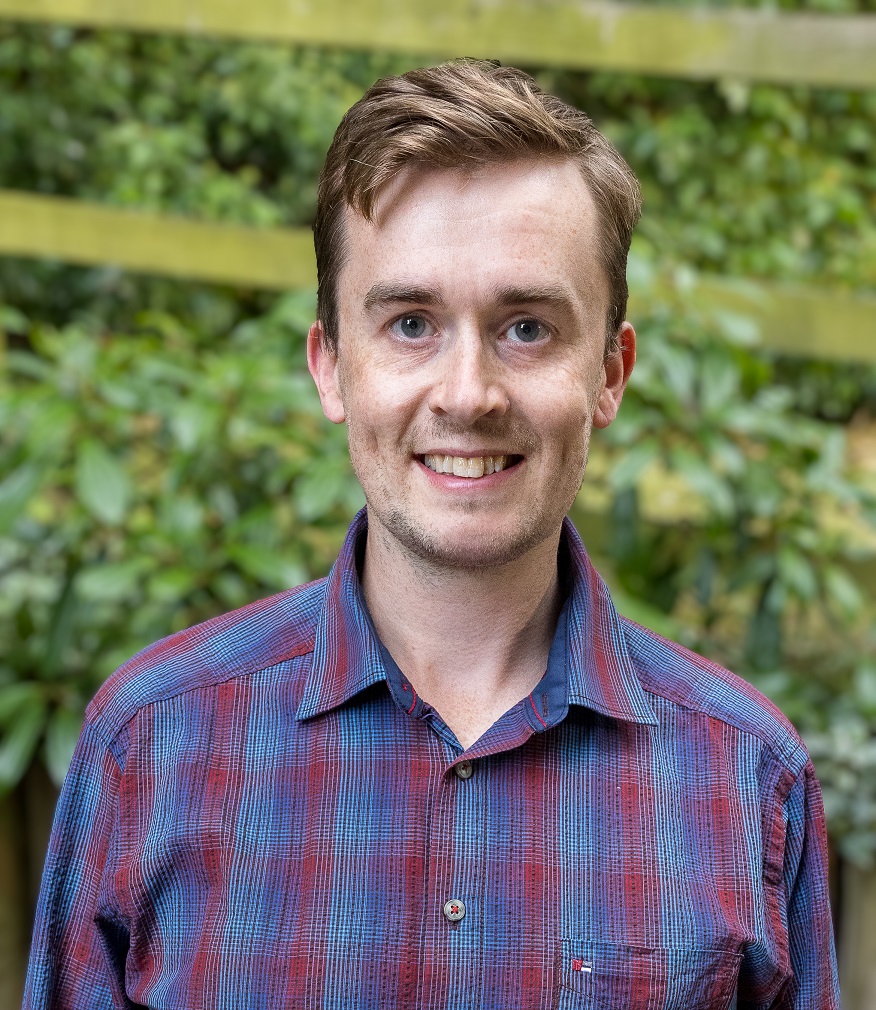
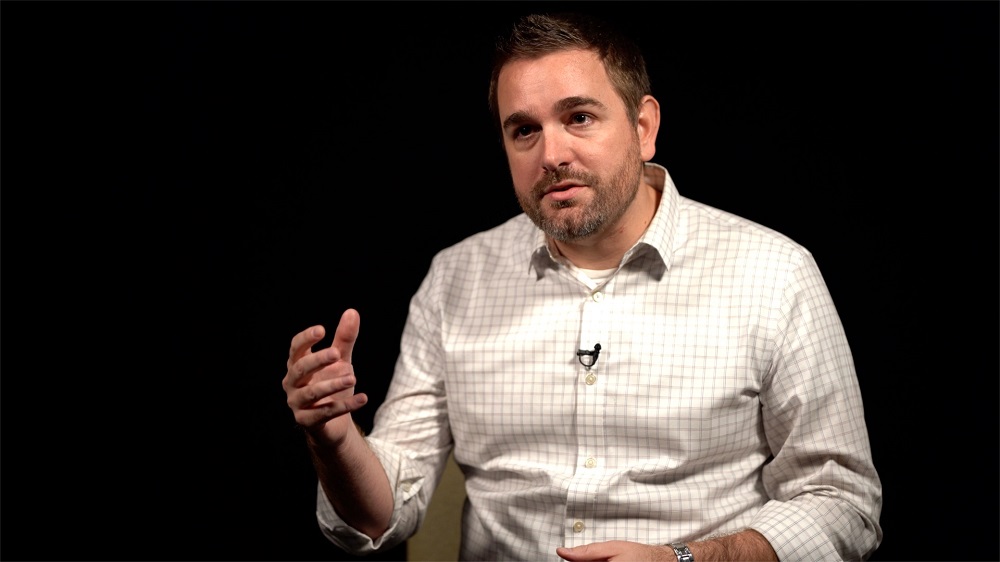
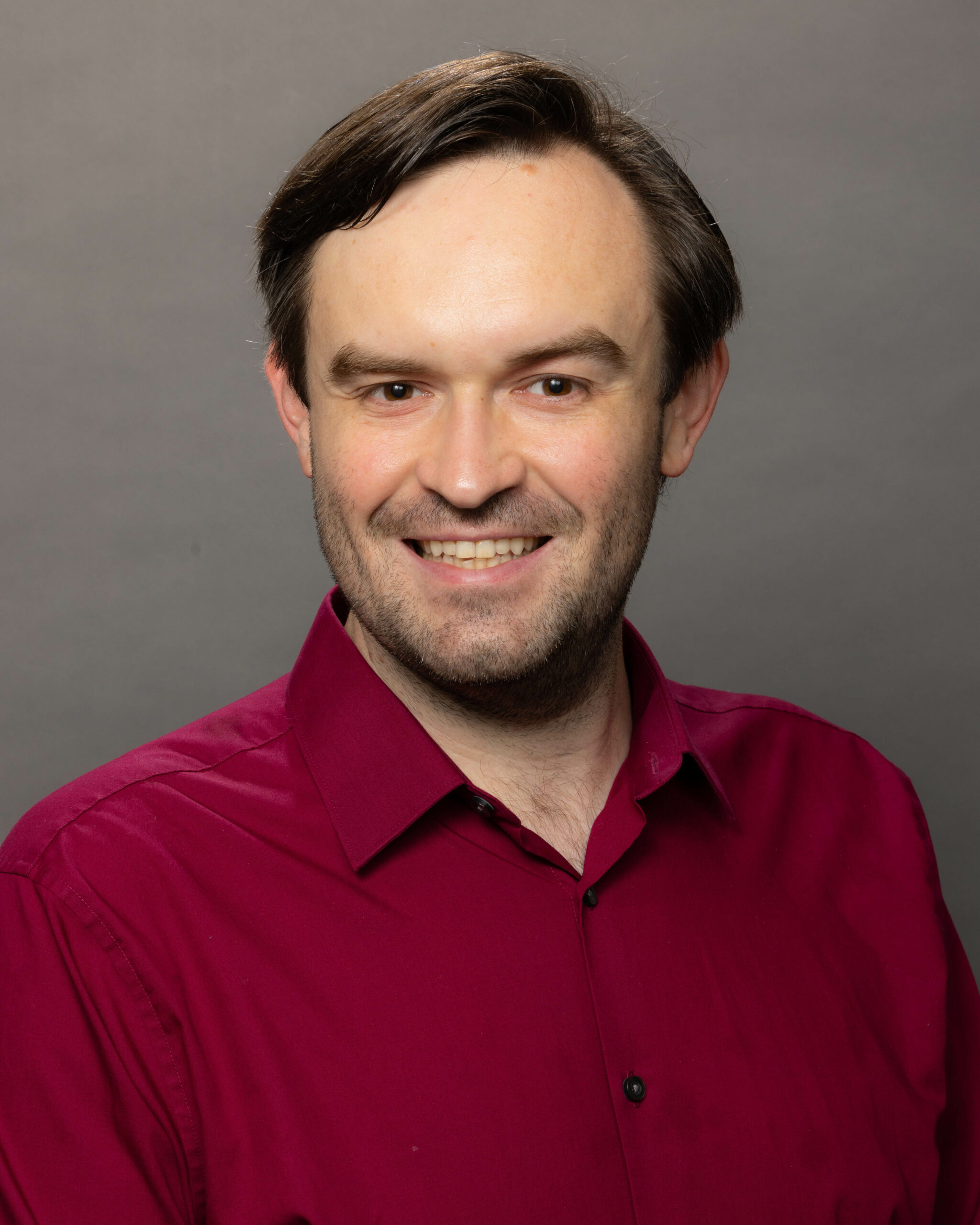
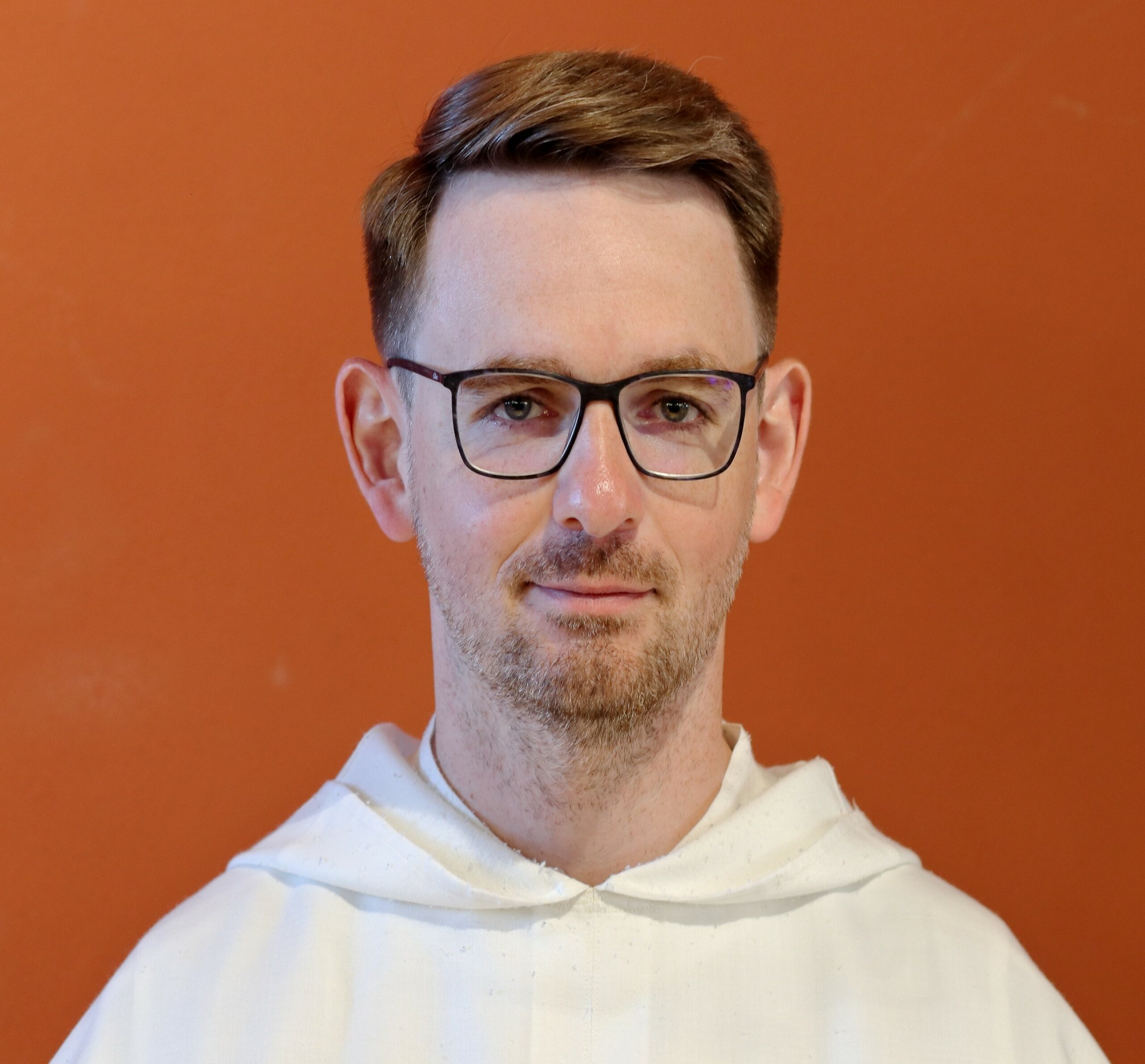
Mariusz Tabaczek, O.P., is a friar preacher, professor of theology, and member of the Thomistic Institute at the Pontifical University of Saint Thomas Aquinas in Rome. He is the author of Emergence: Towards A New Metaphysics and Philosophy of Science (2019), and Divine Action and Emergence: An Alternative to Panentheism (2021).

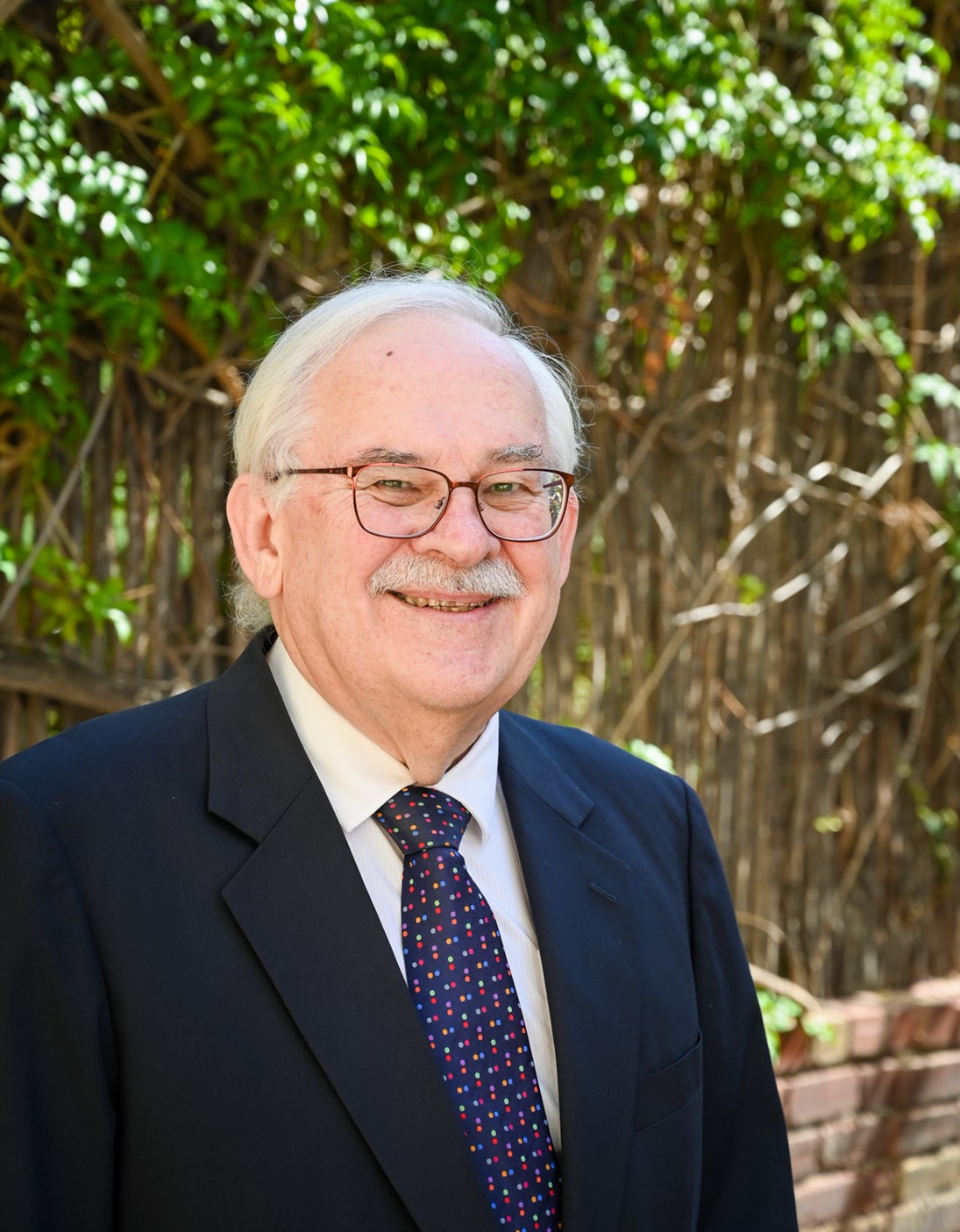
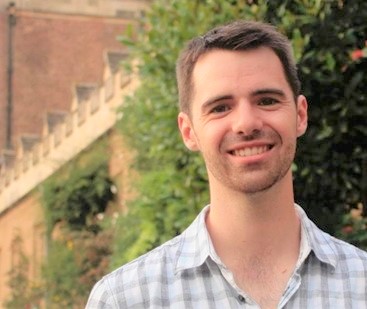
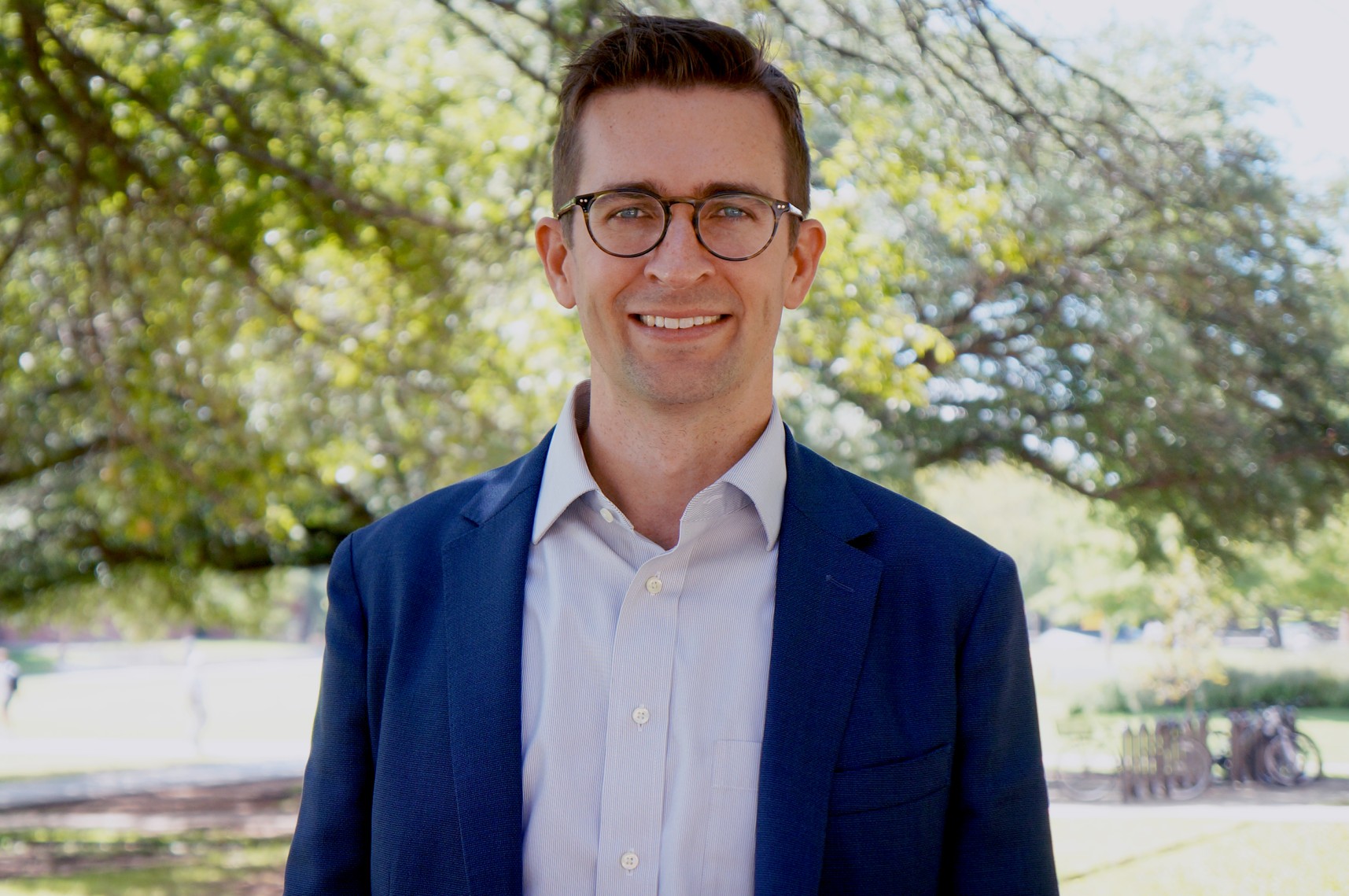
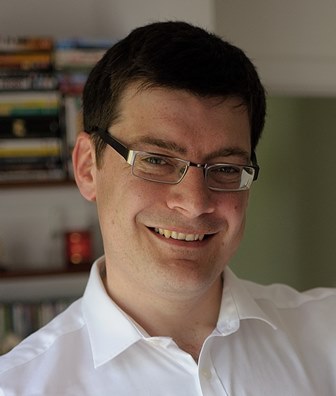
Jesse Spafford is a Lecturer at the Victoria University of Wellington. His work explores debates between libertarians, socialists, and anarchists over the moral status of the market and the state, and he is the author of a number of articles in journals including Philosophical Studies, Synthese, and the Journal of Ethics and Social Philosophy.
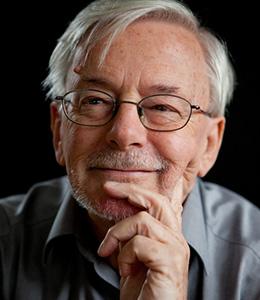
Edwin Mares is Professor of Philosophy at Victoria University of Wellington. His publications include Relevant Logic: A Philosophical Interpretation (Cambridge, 2004).
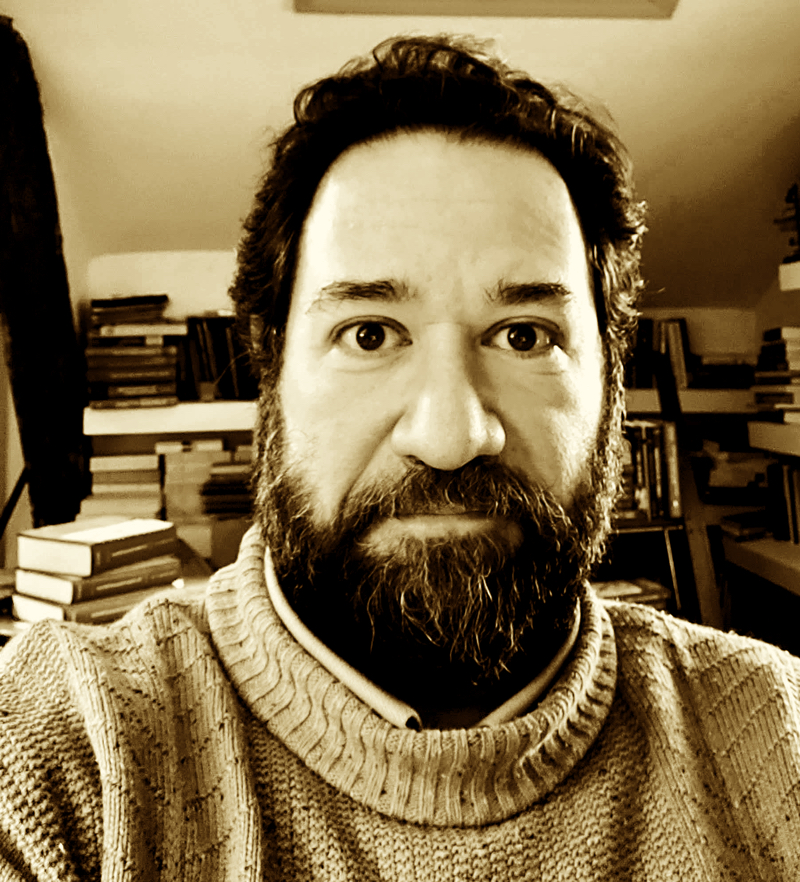
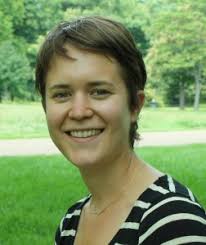
Mark Scarlata is Senior Lecturer in Old Testament at St Mellitus College, London. He is also the vicar-chaplain at St. Edward, King and Martyr, Cambridge and the director of the St. Edward\'s Institute for Christian Thought.
Randall Smith is Full Professor in the Department of Theology at the University of St. Thomas, Houston. He is the author of five books, among them Aquinas, Bonaventure and the Scholastic Culture of Medieval Paris (Cambridge, 2021).
Peter Carruthers is Distinguished University Professor of Philosophy at the University of Maryland. His publications include Human and Animal Minds (2019) and Human Motives: Hedonism, Altruism, and the Science of Affect (2024).
David Merritt author of A Philosophical Approach to MOND
Simon Friederich, author of Multiverse Theories: A Philosophical PerspectiveRijksuniversiteit Groningen, The Netherlands
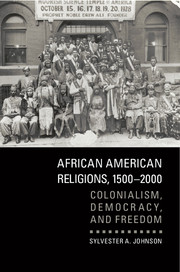
African American Religions, 1500–2000
Roy W. Perrett, University of Melbourne
Helen Wilcox, Professor of English at Bangor University
Magna Carta, Religion and the Rule of Law
Free Trade and Faithful Globalization
Author of The Late Sigmund Freud
Damon Mayrl is Assistant Professor of Sociology at Universidad Carlos III de Madrid.
https://www.cambridgeblog.org/wp-content/uploads/2017/03/Lorna-Finlayson-photograph.jpg
The Philosophy of Human Evolution
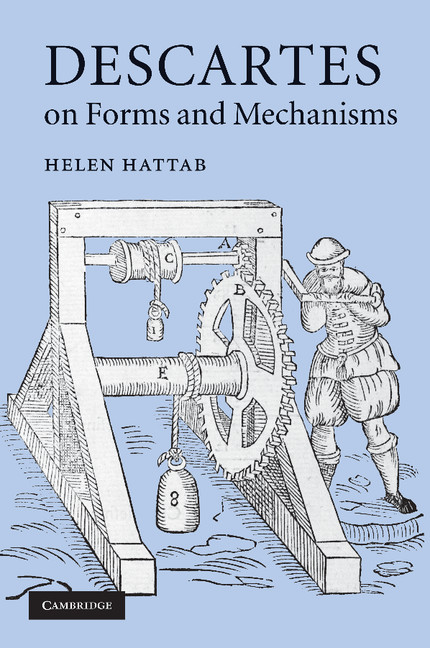
Descartes on Forms and Mechanisms
Forgiveness: a Philosophical Exploration
Evolution, Creationism, and the Battle to Control America\'s Classrooms
Plato and the Talmud
Evolution, Creationism, and the Battle to Control America\\\\\\\'s Classrooms
Constitutional Illusions and Anchoring Truths
Doubt and Skepticism in Antiquity and the Renaissance
I Was Wrong
The Romantic Economist
The Horse in Human History
The Cambridge Companion to Bob Dylan
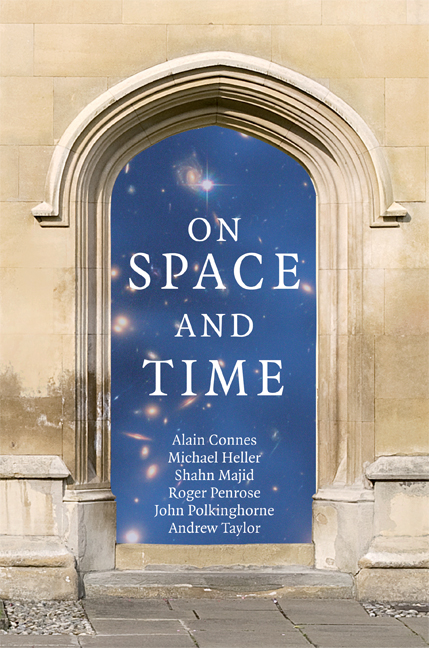
On Space and Time
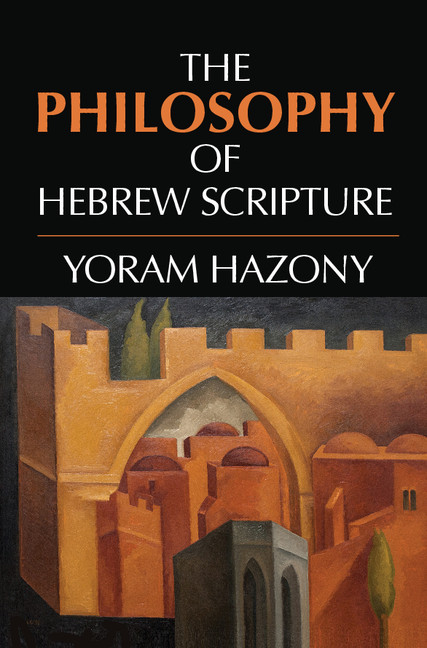
The Philosophy of Hebrew Scripture
On Space and Time
A Dictionary of Bible Plants
Yinyang
Peter Singer and Christian Ethics
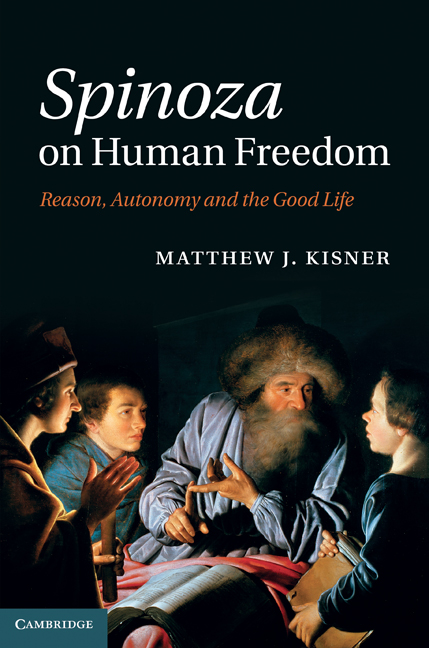
Spinoza on Human Freedom
Against Autonomy
Senior Inbound Marketing Executive
The First French Reformation
Text and Authority in the South African Nazaretha Church
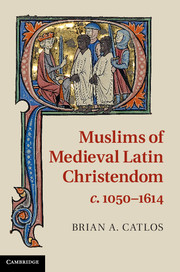
Muslims of Medieval Latin Christendom, c.1050–1614
A Reference Grammar of French
Cambridge University Press Archivist
An Ancient Commentary on the Book of Revelation
Natural Human Rights: A Theory
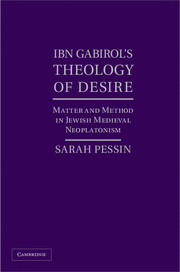
Ibn Gabirol\'s Theology of Desire
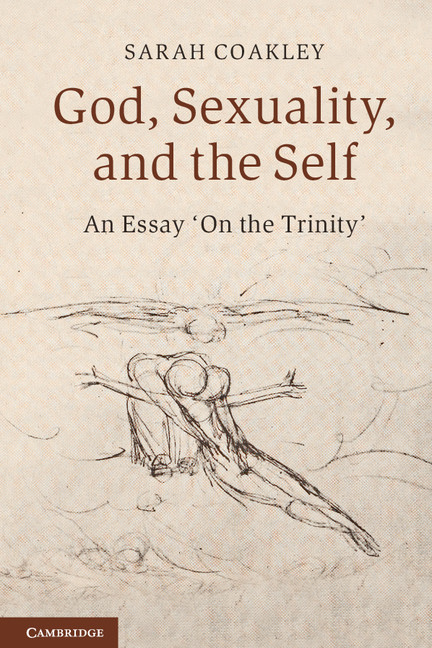
God, Sexuality, and the Self
Schopenhauer and the Aesthetic Standpoint
Interpreting Avicenna: Critical Essays
The Cambridge Companion to Life and Death
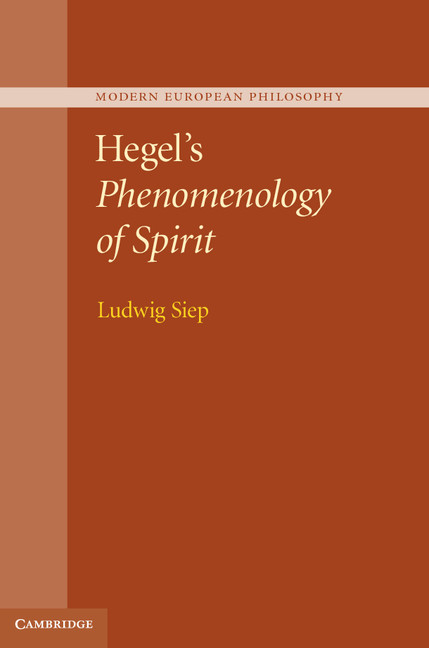
Hegel\'s Phenomenology of Spirit
Aquinas on Human Self-Knowledge
The Mystery of the Last Supper
To receive updates on Philosophy & Religion news from Cambridge University Press and Fifteen Eighty Four, please join our email list below. We will not disclose your email address to any third party