‘The powerful ruler is today unable to steer the press in his directions simply through his will. Words of command echo as empty calls in the empire of typesetting and rotation machines,’ observed the Fränkischer Kurier on 14 July 1906. When media celebrities-turned-politicians Donald Trump and Volodymyr Zelensky bring us live reality TV from the […]
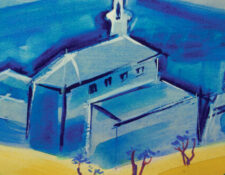
Read MoreOn our book’s cover stands a small church. Coloured in a blue that suggests the haze of a summer’s day, it is set against a yellow landscape dotted with vines. We chose this image partly for its aesthetic appeal, and partly because it was painted in the 1950s by Kurt Franke, the grandfather of one […]
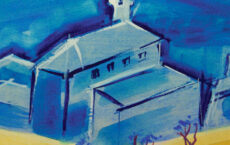
Read MoreHistorians of war often pride themselves on telling ‘forgotten stories’ on the basis of ‘lost voices’ from the past, and rightly so. Those dedicated to the International Brigades would, however, have a hard time getting these buzz words into the subtitles of their own books, even though they have – for as long as they […]
Read More‘What about looting? Was there looting during the First World War?’ – I smile at the question from the young man who eagerly awaits confirmation of his supposition. There’s some habit in my answer because after a quickly interjected ‘how interesting!’, this is the standard question I get whenever I mention that I wrote a […]
Read MoreIn February 1931, two years before he became chancellor, Adolf Hitler checked in to Berlin’s Hotel Kaiserhof and made it his headquarters in the capital. The building soon swarmed with Nazis, who transformed the clientele overnight. Jewish custom evaporated. Business suffered. A year and a half later, with revenues in freefall, the hotel’s parent company […]
Read MoreWhite-bearded and dignified, Leo Baeck disembarked an airplane in New York’s La Guardia airport in January 1948. The seventy-four year-old rabbi came to preach in the United States as part of the American Jewish Cavalcade, a religious revival program of the Reform movement. As the former official leader of German Jewry under Nazism and a […]
Read MoreStudents and professors being fed with Commonwealth Fund donation in Innsbruck, June 1921. Hoover Institution Archives In late 1920 Vienna, an old café basement, recently used as a storeroom for coal, was transformed; long tables, covered in white linen and decorated with flowers, were set up, and 170 people dined there daily. This was the scene […]
Read MoreA generic narrative of decolonization has informed how we think about the history of empire. According to this narrative, a colonized people gradually becomes conscious of its predicament. Through this consciousness, it empowers itself eventually to throw off the colonizer. The imperial domain thus “decolonizes.” The central argument of French Colonialism from the Ancien Régime […]
Read More‘The powerful ruler is today unable to steer the press in his directions simply through his will. Words of command echo as empty calls in the empire of typesetting and rotation machines,’ observed the Fränkischer Kurier on 14 July 1906. When media celebrities-turned-politicians Donald Trump and Volodymyr Zelensky bring us live reality TV from the […]
Read MoreOn our book’s cover stands a small church. Coloured in a blue that suggests the haze of a summer’s day, it is set against a yellow landscape dotted with vines. We chose this image partly for its aesthetic appeal, and partly because it was painted in the 1950s by Kurt Franke, the grandfather of one […]
Read MoreHistorians of war often pride themselves on telling ‘forgotten stories’ on the basis of ‘lost voices’ from the past, and rightly so. Those dedicated to the International Brigades would, however, have a hard time getting these buzz words into the subtitles of their own books, even though they have – for as long as they […]
Read More‘What about looting? Was there looting during the First World War?’ – I smile at the question from the young man who eagerly awaits confirmation of his supposition. There’s some habit in my answer because after a quickly interjected ‘how interesting!’, this is the standard question I get whenever I mention that I wrote a […]
Read MoreIn February 1931, two years before he became chancellor, Adolf Hitler checked in to Berlin’s Hotel Kaiserhof and made it his headquarters in the capital. The building soon swarmed with Nazis, who transformed the clientele overnight. Jewish custom evaporated. Business suffered. A year and a half later, with revenues in freefall, the hotel’s parent company […]
Read MoreWhite-bearded and dignified, Leo Baeck disembarked an airplane in New York’s La Guardia airport in January 1948. The seventy-four year-old rabbi came to preach in the United States as part of the American Jewish Cavalcade, a religious revival program of the Reform movement. As the former official leader of German Jewry under Nazism and a […]
Read MoreStudents and professors being fed with Commonwealth Fund donation in Innsbruck, June 1921. Hoover Institution Archives In late 1920 Vienna, an old café basement, recently used as a storeroom for coal, was transformed; long tables, covered in white linen and decorated with flowers, were set up, and 170 people dined there daily. This was the scene […]
Read MoreA generic narrative of decolonization has informed how we think about the history of empire. According to this narrative, a colonized people gradually becomes conscious of its predicament. Through this consciousness, it empowers itself eventually to throw off the colonizer. The imperial domain thus “decolonizes.” The central argument of French Colonialism from the Ancien Régime […]
Read MoreKeep up with the latest from Cambridge University Press on our social media accounts.
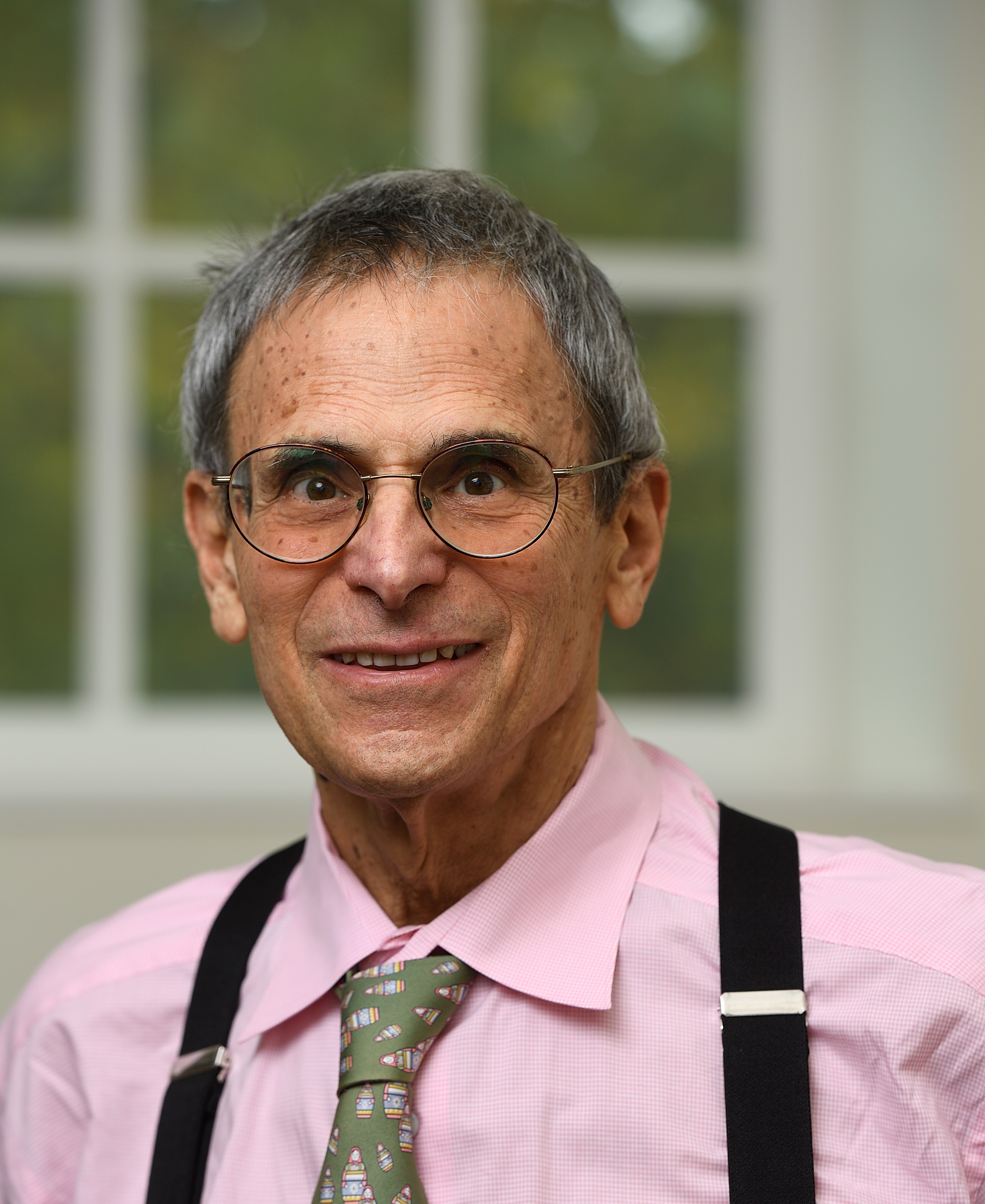
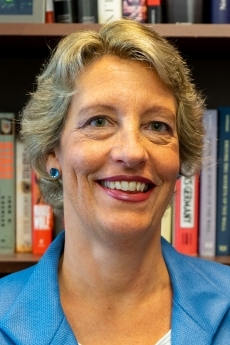
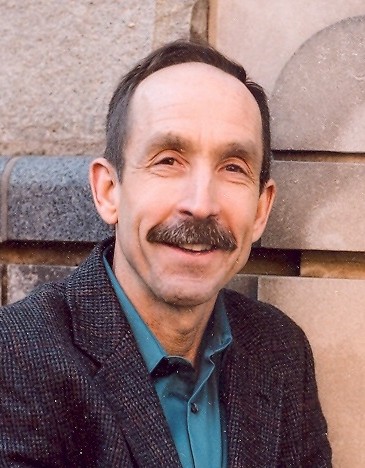
Merry E. Wiesner-Hanks is Distinguished Professor of History Emerita at the University of Wisconsin-Milwaukee and an experienced textbook author.

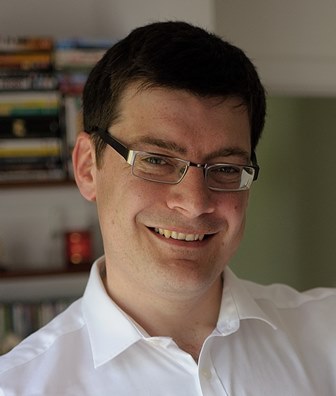
Tomás Irish is Associate Professor of Modern History at Swansea University. A specialist in the cultural history of the First World War and interwar Europe, his books include the prizewinning The University at War 1914-25: Britain, France and the United States (2015), and Trinity in War and Revolution, 1912-23 (2015).
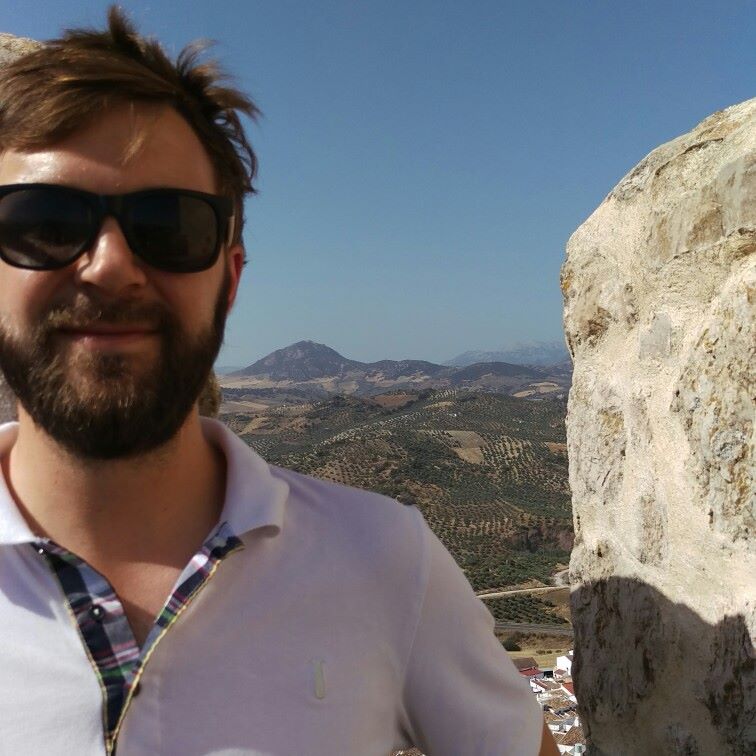
Adrian Pole has a Ph.D. from the University of Edinburgh, and is a historian of Spain researching its modern history in a transnational context.
German Historical Institute, Washington DC
Marquette University, Wisconsin
Katholieke Universiteit Leuven, Belgium
Dreams and Visions in the Early Middle Ages
French Colonial Soldiers in German Captivity during World War II
American Grand Strategy in the Mediterranean during World War II
Combat and Genocide on the Eastern Front
Reconstructing Sociology
She-Wolf: The Story of a Roman Icon
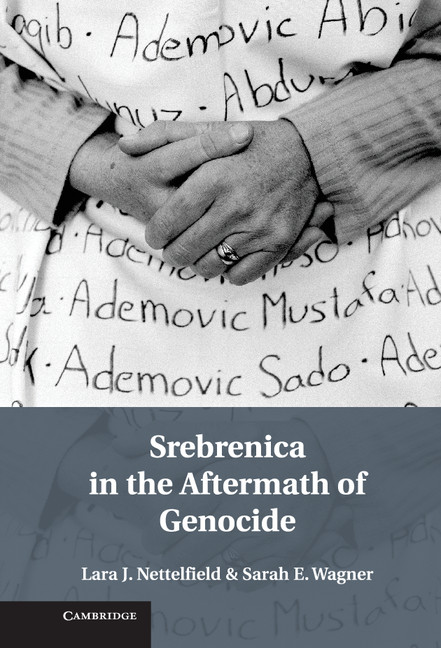
Srebrenica in the Aftermath of Genocide
A Concise History of Sweden
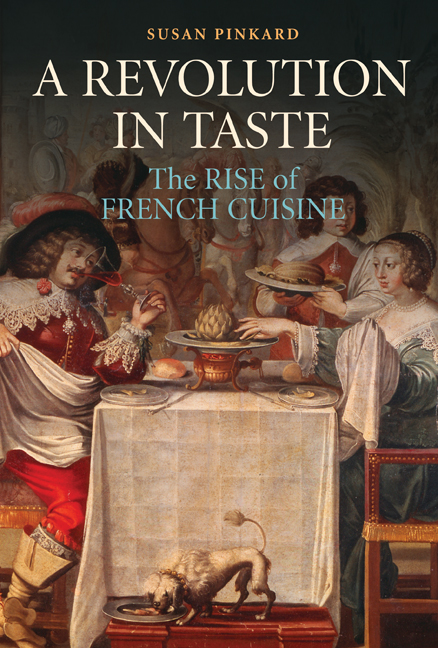
A Revolution in Taste
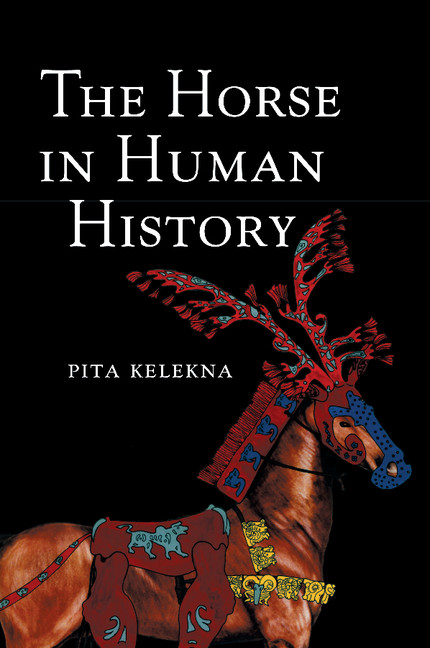
The Horse in Human History
Srebrenica in the Aftermath of Genocide
Venice: History of the Floating City
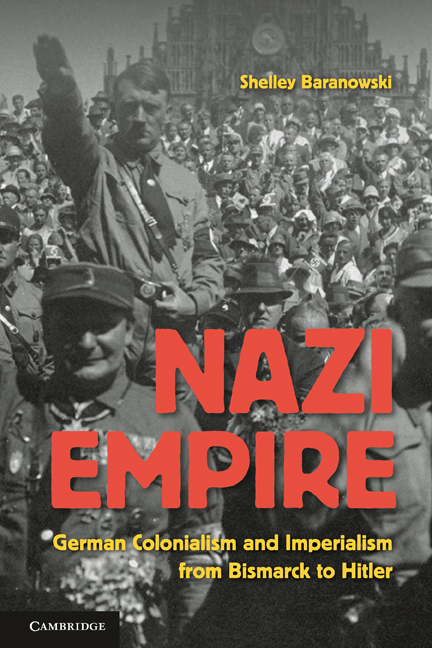
Nazi Empire
London: A Social and Cultural History, 1550–1750
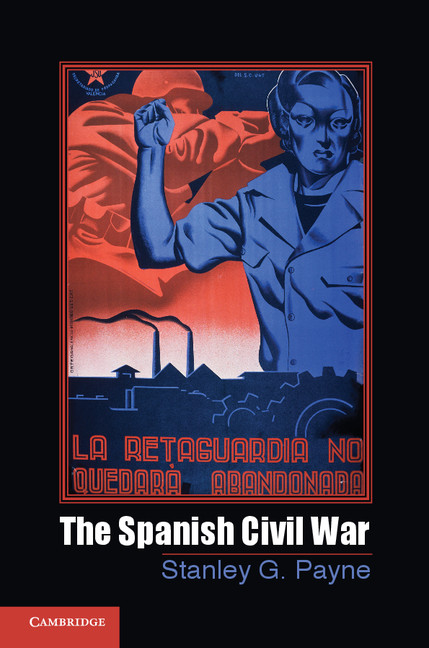
The Spanish Civil War
Operation Typhoon
Seduced by Secrets
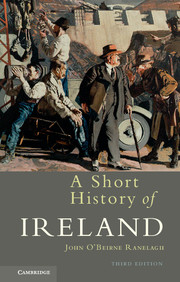
A Short History of Ireland
The American Mission and the \\\\\\\'Evil Empire\\\\\\\'
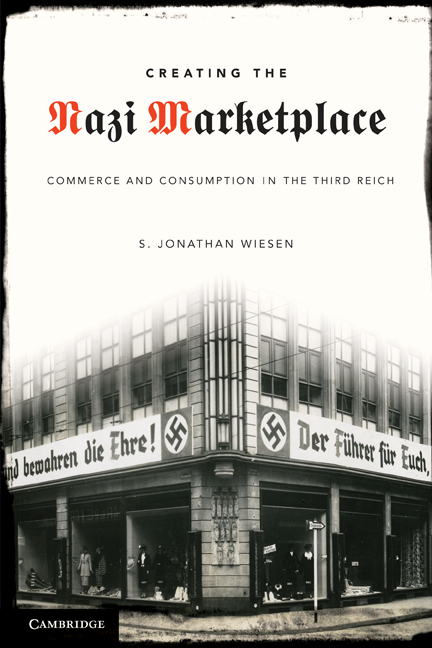
Creating the Nazi Marketplace
London: A Social and Cultural History, 1550-1750
The Social Life of Hagiography in the Merovingian Kingdom
The First French Reformation
Behind the Front
The Fascists and the Jews of Italy
Twentieth-Century Spain
Cambridge University Press Archivist
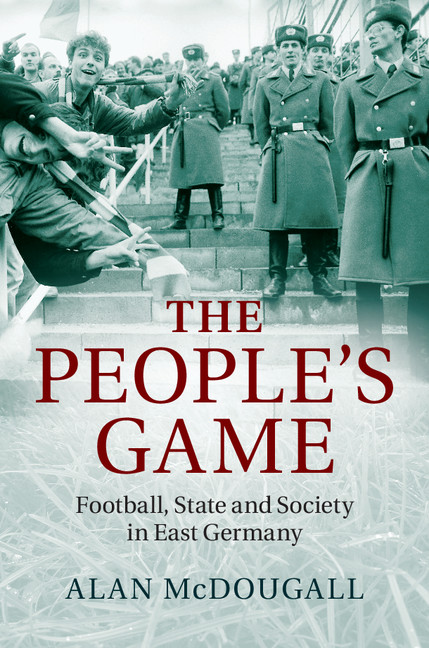
The People\'s Game
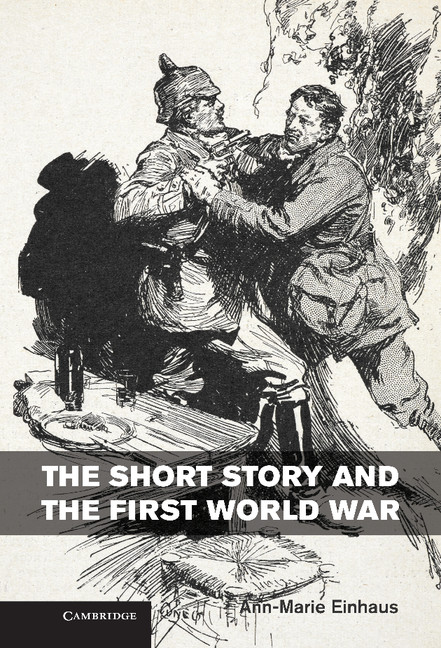
The Short Story and the First World War
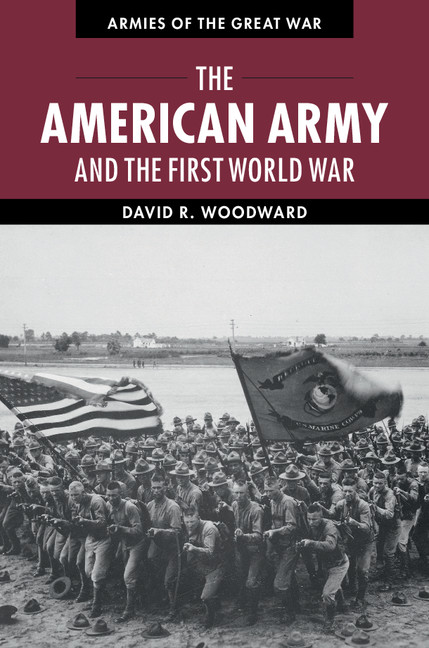
The American Army and the First World War
A Divided Republic
Wine, Sugar, and the Making of Modern France
Ferdinand II, Counter-Reformation Emperor, 1578–1637
Publisher
German Immigrants, Race, and Citizenship in the Civil War Era
Wilhelm II
The Struggle for the Eurasian Borderlands
Fixed Ideas of Money
The Hammer of Witches
Eating and Ethics in Shakespeare\\\\\\\'s England
To receive updates on European History news from Cambridge University Press and Fifteen Eighty Four, please join our email list below. We will not disclose your email address to any third party