Products and services

Paris wasn't the only place Hemingway realized he needed to be an expatriate American writer. (Pictured: This building used to be the Selby Hotel in Toronto, where the Hemingways briefly stayed in the fall of 1923.)
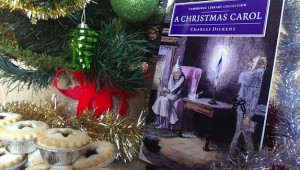
Caroline M, publisher of our Cambridge Library Collection, unwraps some of our Christmas titles, and puts Charles Dickens in his place.
In this exclusive interview with Dr Peter Forster, contributor to The Cambridge World Prehistory, he talks to us about the world of molecular genetics, and his own breakthrough moment in his research.
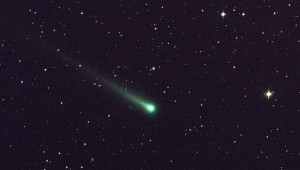
Astrophotographers and comet-watchers everywhere are invited to participate in our latest night-sky photo contest. This winter, we're waiting eagerly for Comet ISON to light up the sky—snap a picture, send it in, and you could win!
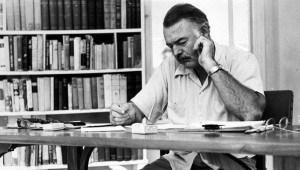
The 242 letters in Volume 2 can show Hemingway’s brash, uncouth, unedited self, but they also reveal his thoughtful, generous side, one more than willing to send support and advice. Here we collect pieces of his wisdom sent to his friends, family, and fellow writers.
In her new economic history, Jessica Lepler describes one of the worst transatlantic financial crises in history, with lessons for our current economic woes. View an excerpt from The Many Panics of 1837 below.
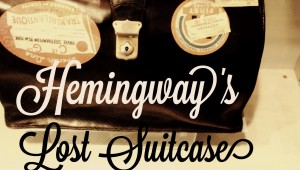
We challenged our readers to imagine that they found Hemingway's missing suitcase and his long-lost short stories. What would be in it? What would the opening line say? We are excited to announce the winners here!
Author Christopher Grey talks about writing his new book Decoding Organization: Bletchley Park, Codebreaking and Organization Studies, and seeing it face the reviewers.
Editor Dr Adam Oliver on launching his new book Behavioural Public Policy, and how behavioural economics are affecting public policy.
Hemingway as a proud father, a loving son, and an affectionate brother—these are not the usual ways we have come to see such an iconic American writer. But his letters reveal the man behind the myth, and beneath his brash persona there was a dedicated family man.
Following their recent success at the Society of Biology book awards, authors Lawrence Walker and Aaron Shiels discuss problems of landslides and their effect on our environment as described in their book Landslide Ecology.
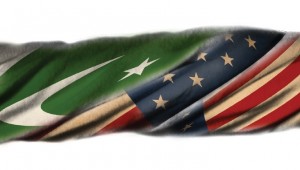
Even before 9/11 and the ensuing decade of wars in Iraq and Afghanistan, ties between the United States and Pakistan have been rocky at best. Many U.S. policymakers have come to the conclusion that the country is simply a “black hole” for American aid. Can this relationship be saved? Moreover, should it be? No Exit from Pakistan explains why America will find no easy exit—but also why it should remain invested in the region.
Keep up with the latest from Cambridge University Press on our social media accounts.