Human beings think, speak, and write in metaphors. Those metaphors change as cultures do; people use them to respond to and reshape the world. Indeed, neuroscientists and literary scholars alike have explored how we build the world with metaphors and other figurative language. The present era is undergoing a massive metaphorical transformation, as computer technology […]
Read MoreDaoist philosopher Zhuangzi once wondered if he might be a dream that a butterfly was having. A couple of millennia later, a biologist asks a similar question in Greg Bear’s novel Vitals (2002). “Larger and older minds live inside our bodies and all around us,” Bear’s scientist declares. “Perhaps we are only a dream the […]
Read MoreThirty years ago, I planned to write a book about Elizabeth Bowen, the Anglo-Irish novelist and short story writer. With a monograph in mind, I assembled Bowen’s essays and reviews scattered across various magazines and newspapers. What started as a few items retrieved from obscurity quickly snowballed into hundreds. I began visiting archives and fitting […]
Read MoreWhen is interruption an art form? Short answer: the eighteenth-century novel. Interrupting another speaker gets a bad rap: common charges lodged against listeners who jump the queue maintain that interrupters are pushy, rude, impatient, or, at the least, distracting. Certainly, the first generation of emerging novel theorists directed similar rhetoric against the cacophony of tale-tellers […]

Read MoreIt’s another dull, grey Tuesday morning. A colleague asks you how you are. Reflecting on the seemingly endless flow of tedious meetings in the day ahead, you reply that you’re “losing the will the live”. Your co-worker chuckles and walks back to wherever they need to be. I think most people understand the context of […]
Read MoreIn the classic film Casablanca, the Frenchwoman Yvonne, one of the regulars of Rick’s Café, joins the other refugees assembled there to sing the Marseillaise, boldly defying the Nazi officers present. She concludes her national anthem with a shouted “Vive la France!”, tears streaming down her face. We now know that the tears were not […]
Read MoreNostalgia has become a defining emotion of twenty-first-century Western culture. From endless film franchise reboots, to the Eras Tour, to the 1980s world of Stranger Things, our media seems perpetually transfixed by the past. Nostalgia—the bittersweet yearning for an absent home—has a remarkable power to enchant us, for good or ill. It can, in the […]
Read MoreA lot of ethical programs are predicated on ideas of sameness and reciprocity. These programs urge us to imagine other people as similar to ourselves and to treat them accordingly. This is the essence of the biblical teaching to ‘Love thy neighbor as thyself’ and is the gist of the so-called Golden Rule: ‘Do unto […]
Read MoreHuman beings think, speak, and write in metaphors. Those metaphors change as cultures do; people use them to respond to and reshape the world. Indeed, neuroscientists and literary scholars alike have explored how we build the world with metaphors and other figurative language. The present era is undergoing a massive metaphorical transformation, as computer technology […]
Read MoreDaoist philosopher Zhuangzi once wondered if he might be a dream that a butterfly was having. A couple of millennia later, a biologist asks a similar question in Greg Bear’s novel Vitals (2002). “Larger and older minds live inside our bodies and all around us,” Bear’s scientist declares. “Perhaps we are only a dream the […]
Read MoreThirty years ago, I planned to write a book about Elizabeth Bowen, the Anglo-Irish novelist and short story writer. With a monograph in mind, I assembled Bowen’s essays and reviews scattered across various magazines and newspapers. What started as a few items retrieved from obscurity quickly snowballed into hundreds. I began visiting archives and fitting […]
Read MoreWhen is interruption an art form? Short answer: the eighteenth-century novel. Interrupting another speaker gets a bad rap: common charges lodged against listeners who jump the queue maintain that interrupters are pushy, rude, impatient, or, at the least, distracting. Certainly, the first generation of emerging novel theorists directed similar rhetoric against the cacophony of tale-tellers […]
Read MoreIt’s another dull, grey Tuesday morning. A colleague asks you how you are. Reflecting on the seemingly endless flow of tedious meetings in the day ahead, you reply that you’re “losing the will the live”. Your co-worker chuckles and walks back to wherever they need to be. I think most people understand the context of […]
Read MoreIn the classic film Casablanca, the Frenchwoman Yvonne, one of the regulars of Rick’s Café, joins the other refugees assembled there to sing the Marseillaise, boldly defying the Nazi officers present. She concludes her national anthem with a shouted “Vive la France!”, tears streaming down her face. We now know that the tears were not […]
Read MoreNostalgia has become a defining emotion of twenty-first-century Western culture. From endless film franchise reboots, to the Eras Tour, to the 1980s world of Stranger Things, our media seems perpetually transfixed by the past. Nostalgia—the bittersweet yearning for an absent home—has a remarkable power to enchant us, for good or ill. It can, in the […]
Read MoreA lot of ethical programs are predicated on ideas of sameness and reciprocity. These programs urge us to imagine other people as similar to ourselves and to treat them accordingly. This is the essence of the biblical teaching to ‘Love thy neighbor as thyself’ and is the gist of the so-called Golden Rule: ‘Do unto […]
Read MoreKeep up with the latest from Cambridge University Press on our social media accounts.
Johan Adam Warodell is the author of the monograph Conrad’s Decentered Fiction (Cambridge University Press 2022) and numerous articles on Joseph Conrad. He is a Trustee of the Joseph Conrad Society of America and a Research Associate at the University of Sussex.
Montclair State University, New Jersey
Heather Hirschfeld is a Professor of English at the University of Tennessee.
Alice Tranah grew up in Cambridge and, after studying history at University, fell delightely into life as a bookseller, first in London and then here for Cambridge University Press Bookshop.
Canterbury Christ Church University, Kent
Associate Professor in English and Creative Writing, University of Reading
University of Pennsylvania
University of Cambridge
Staff Scientist, Brigham and Women’s Hospital, Department of Neurology with affiliation to The Broad Institute of Harvard and MIT.
Speaking Shakespeare Today
Helen Wilcox, Professor of English at Bangor University
Playing Hesiod
Shakespeare’s Possible Worlds
The Cambridge Companion to American Civil Rights Literature
Yeats and European Drama
Nineteenth-Century American Literature and the Long Civil War
Grief and Women Writers in the English Renaissance
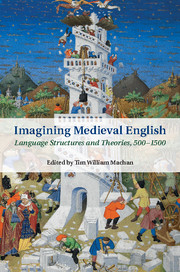
Imagining Medieval English
The Cambridge Companion to French Literature
The Cambridge Introduction to Theatre and Literature of the Absurd
Paul Salzman is Emeritus Professor of English at La Trobe University, Australia.
Sarah C. E. Ross is Senior Lecturer in the English Programme, at Victoria University of Wellington.
Stuart Sillars is Professor of English at the University of Bergen, Norway.
Dictionary of Irish Biography
The Cambridge Introduction to William Wordsworth
The Poetry of War
Doubt and Skepticism in Antiquity and the Renaissance
Marketing associate
You Know what I Mean?
Samuel Johnson, the Ossian Fraud, and the Celtic Revival in Great Britain and Ireland
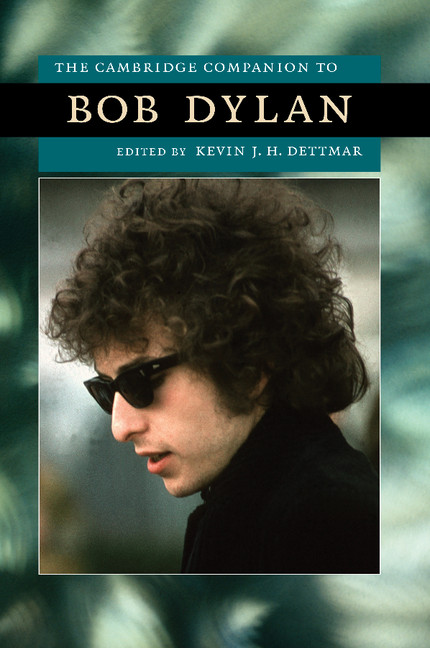
The Cambridge Companion to Bob Dylan
Japan Rising
The Cambridge Companion to Baseball
Library marketing associate
College Marketing Associate
The Cambridge Companion to Baseball
Publicist
London: A Social and Cultural History, 1550–1750
The American 1930s
The Places of Wit in Early Modern English Comedy
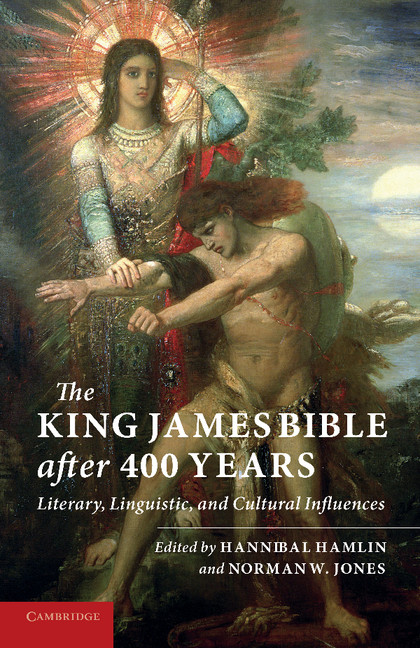
The King James Bible after Four Hundred Years
The Cambridge Companion to Creative Writing
London: A Social and Cultural History, 1550-1750
The Cambridge Introduction to Charles Dickens
Publicist
Associate director of sales and marketing
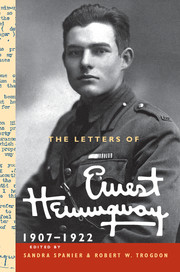
The Letters of Ernest Hemingway, Volume 1
Assistant sales manager
Senior Inbound Marketing Executive
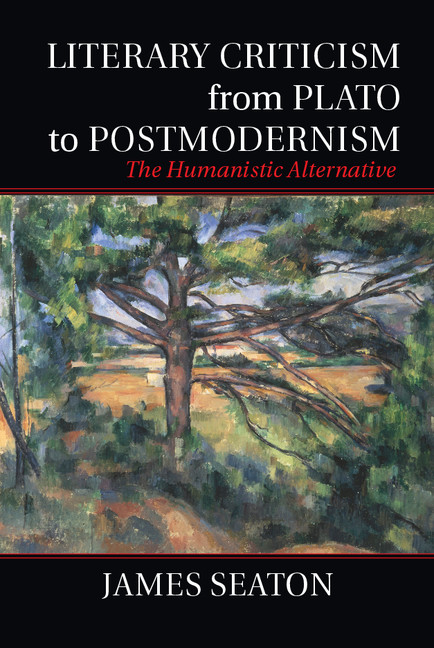
Literary Criticism from Plato to Postmodernism
From Dickens To Dracula
A Reference Grammar of French
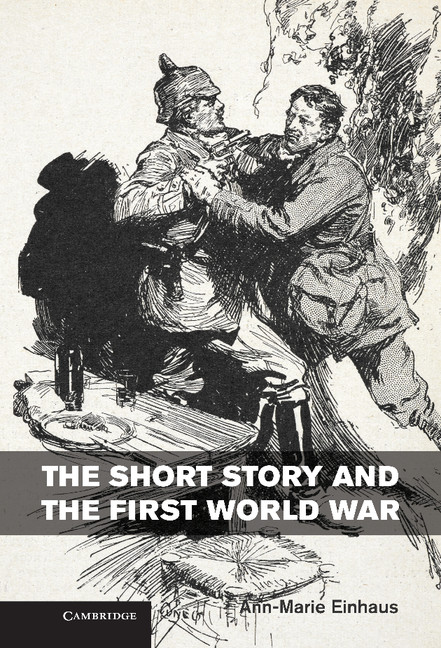
The Short Story and the First World War
Mrs Dalloway
Gender and Race in Antebellum Popular Culture
The Cambridge Companion to Modernist Culture
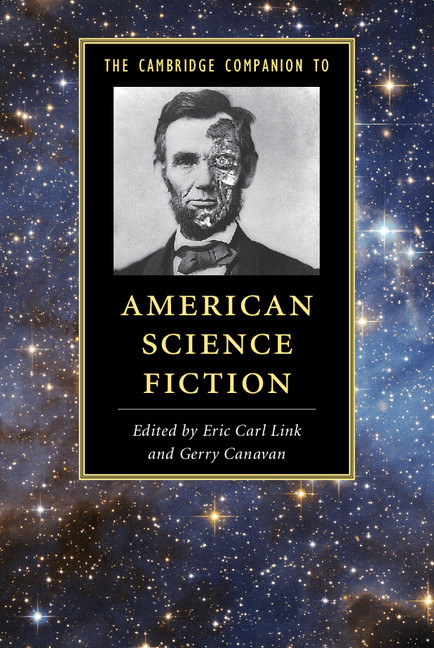
The Cambridge Companion to American Science Fiction
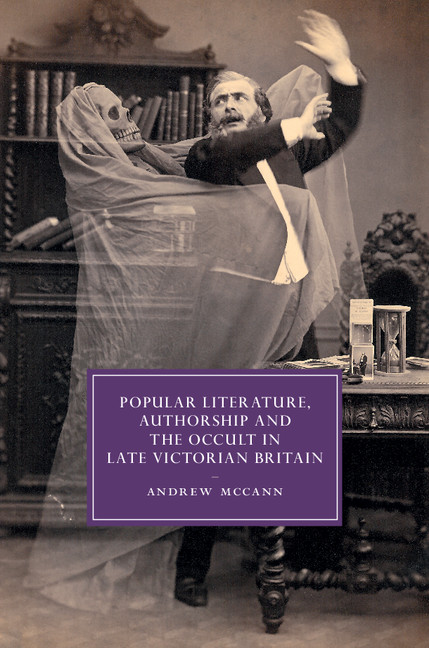
Popular Literature, Authorship, and the Occult in Late Victorian Britain
Paradise Lost and the Cosmological Revolution
Ovid and Hesiod
Reading and Writing during the Dissolution
Cambridge Companion to Popular Fiction
Publisher
The Cambridge Companion to \'Pride and Prejudice\'
The Cambridge Companion to Football
Failure and the American Writer
Eating and Ethics in Shakespeare\\\\\\\'s England
To receive updates on Literature news from Cambridge University Press and Fifteen Eighty Four, please join our email list below. We will not disclose your email address to any third party